
How to Transition from Outdoor Education to Classroom Teaching in Australia
Leveraging Outdoor Skills
Integrate Nature into Lessons
Imagine introducing kids to the wonders of nature right from the classroom. As someone who has guided numerous adventures around Cairns, I find it's essential to integrate natural elements into educational setups. This approach doesn't just ignite curiosity about our planet but fosters a deeper understanding. Picture showing children the vast biodiversity of the Daintree Rainforest or the intricate beauty of the Great Barrier Reef—without leaving their learning environment. It's about using tangible examples to make learning interactive and relevant.
Apply Eco-Tourism Insights
Your experiences in eco-tourism can be a remarkable asset in teaching. You can craft stories around your adventures and convey crucial environmental lessons to young minds. Such narratives captivate attention and provoke thought in ways traditional lectures never could. Picture turning a day on the Kuranda Scenic Railway into narratives that teach environmental awareness and respect for nature. It’s about recreating the magic of those scenic views and pressing the importance of conservation in the minds of the young learners.
Foster Environmental Awareness
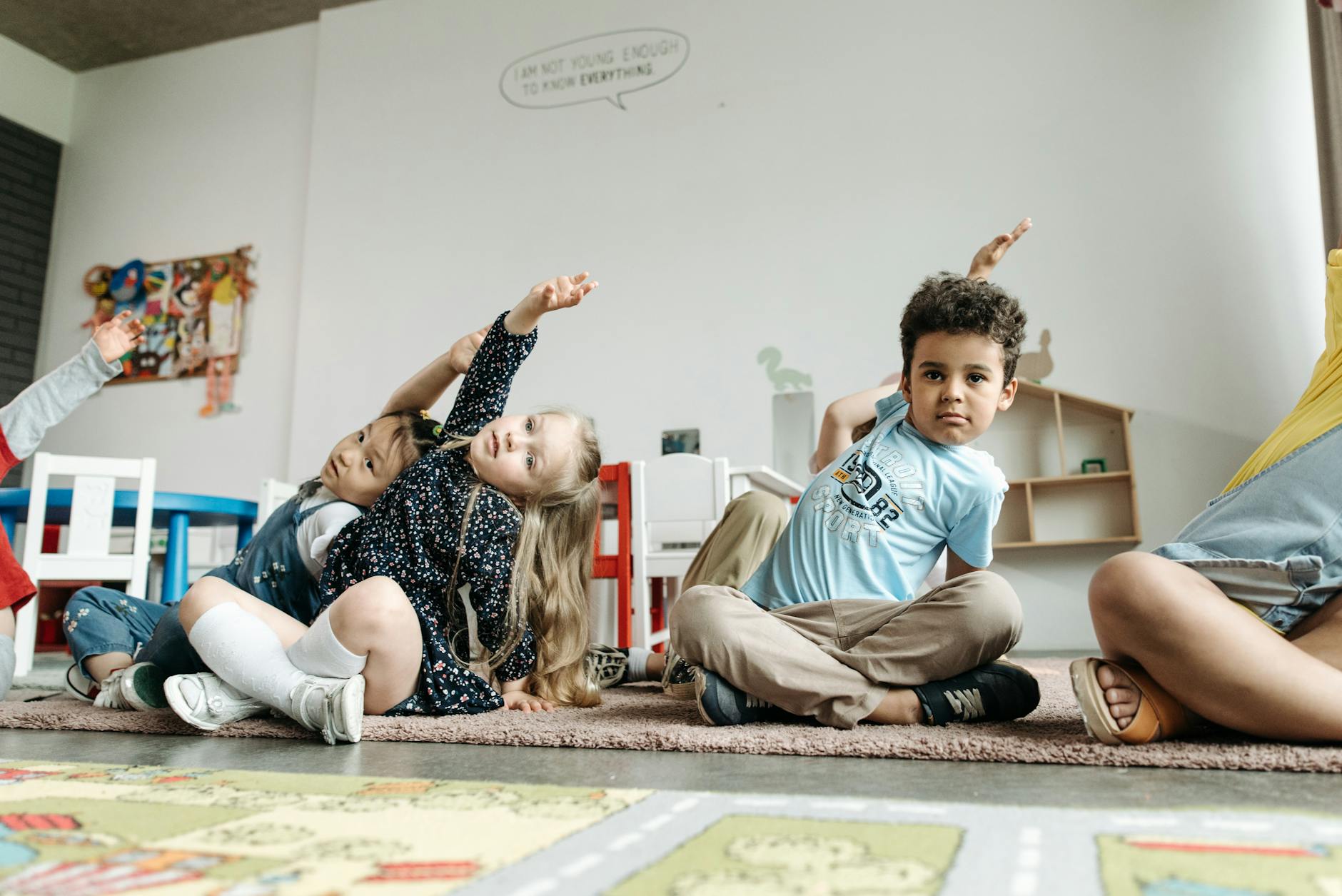
Nurturing a love for nature from a young age can have lasting impacts. Early childhood education provides a chance to embed environmental consciousness through carefully designed activities. Utilize the skills learned from tours and eco-friendly projects to develop initiatives that inspire children to care for nature. By including concepts like resource management or animal conservation early on, kids grasp an appreciation for their environment that persists into adulthood. Adopting these practices could shape the next generation of eco-advocates keen on protecting the planet.
In these ways, your eco-tourism background becomes pivotal, creating lessons that are both inspiring and profoundly educational.
Gaining Necessary Qualifications
Early Childhood Education Pathways
Embarking on a journey into early childhood education requires a clear understanding of the pathways available. For those deeply invested in eco-tourism, like myself, the transition into teaching can be as awe-inspiring as a day spent exploring the Great Barrier Reef. Among the most significant pathways is obtaining a diploma of community services, which forms a solid foundation for those keen to incorporate environmental knowledge into early childhood settings. This qualification is particularly appealing for individuals who wish to create a curriculum that not only educates but also inspires a love for nature in the young minds they'll be guiding.
Certification Requirements
Meeting the certification requirements might initially feel like navigating the dense undergrowth of the Daintree Rainforest, with various rules and steps to follow. However, understanding these requirements is crucial to succeeding as an educator. Certifications often cover essential topics such as child safety, developmental psychology, and educational planning. These ensure that educators are well-prepared to face the classroom's challenges while also nurturing an environment that allows for creative and engaging learning experiences—ideally with a touch of nature's beauty woven throughout.
Online Learning Resources
In today's connected world, online learning resources have become as expansive and diverse as the views from the Kuranda Scenic Railway. They provide invaluable support for those pursuing qualifications while balancing their current professional commitments. Platforms offering flexible course schedules allow for in-depth studies without compromising real-world experiences, thus blending life as an outdoor educator with academic pursuits.
Adapting to Classroom Dynamics
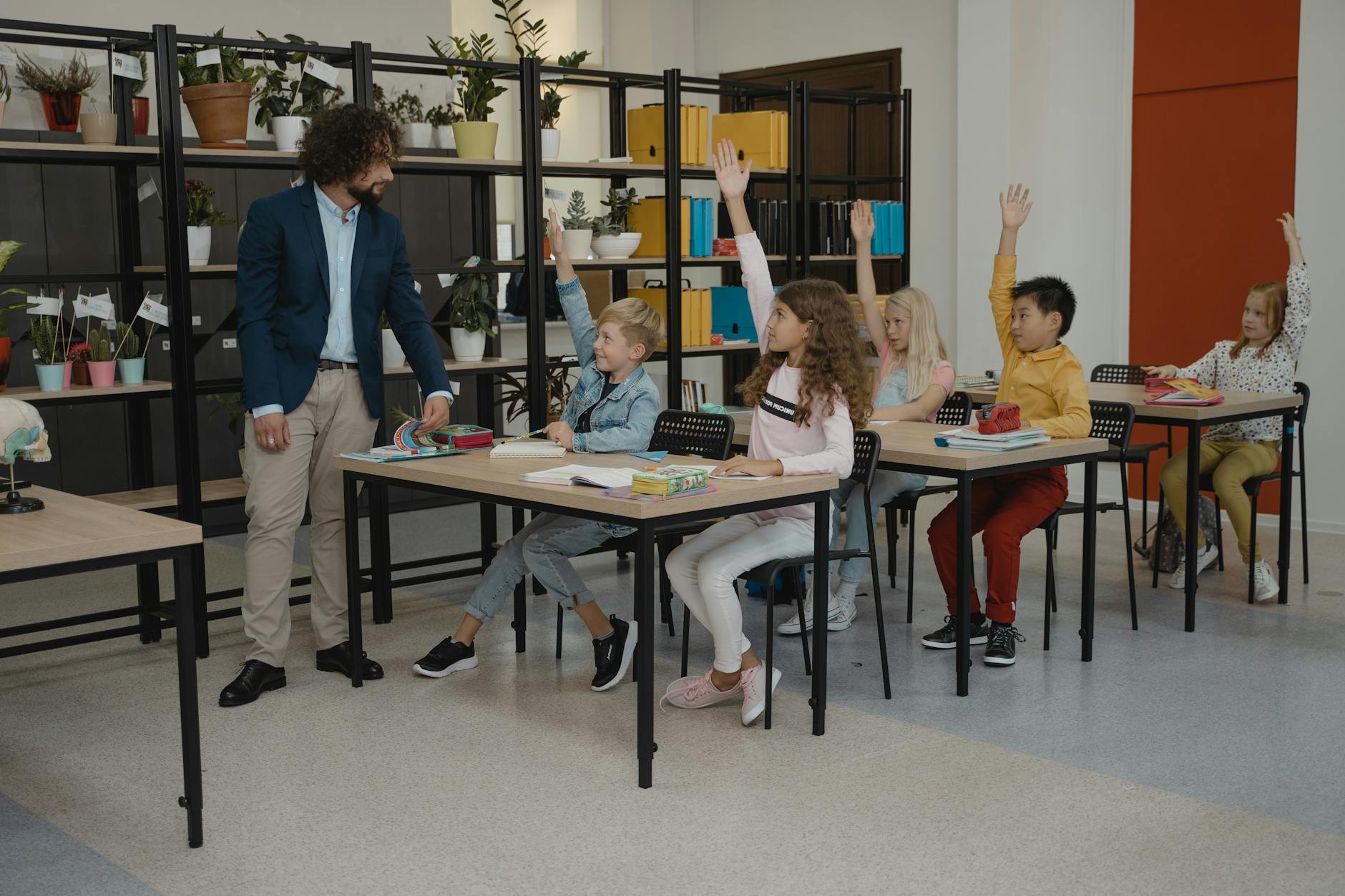
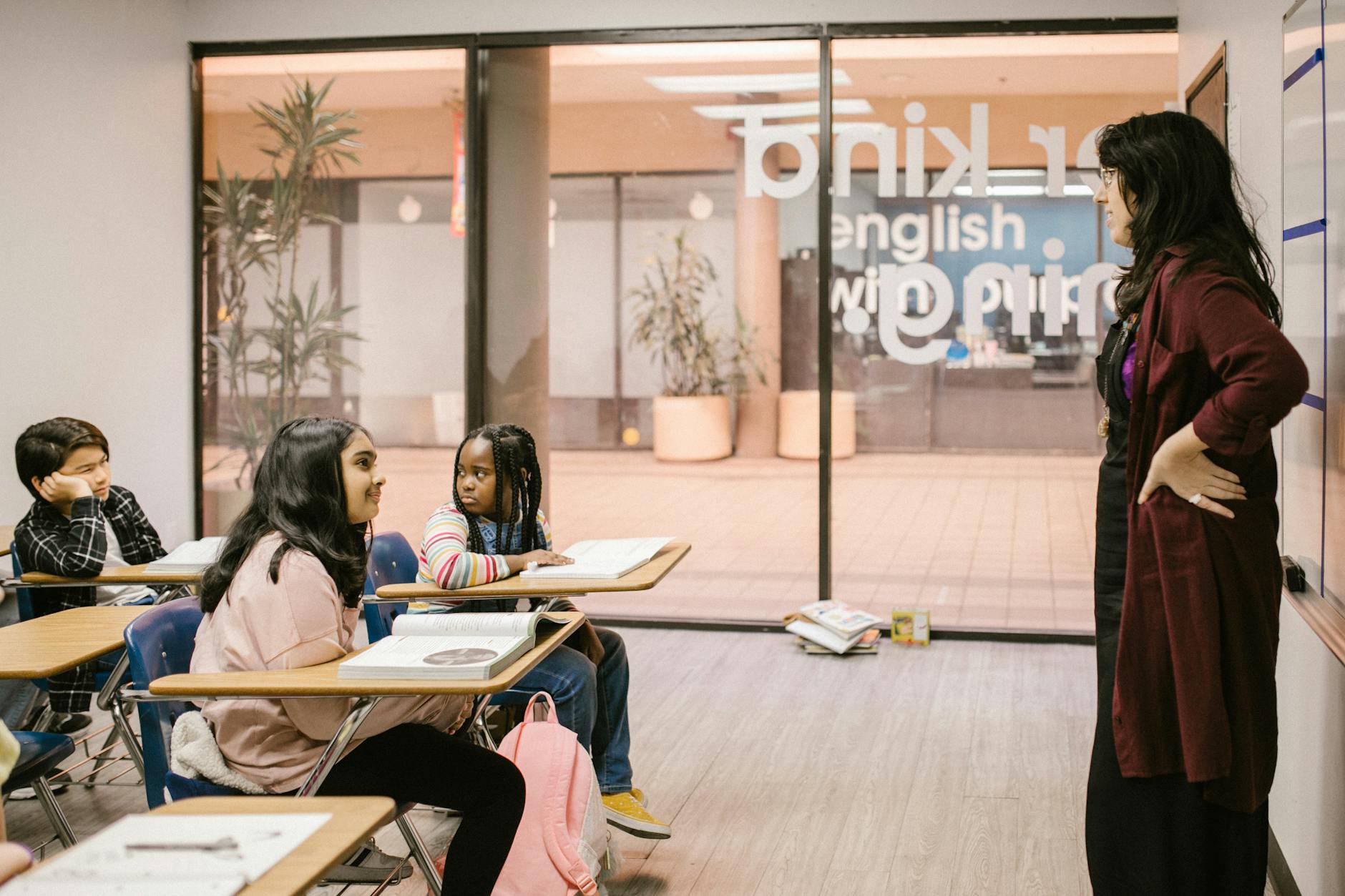
Transitioning from the endless wonders of the Daintree Rainforest to the structure of a classroom can initially seem daunting. However, by focusing on effective community services courses, you can transform traditional classroom settings into vibrant learning environments. Classroom management techniques are pivotal. Picture a classroom as a well-organised trek through the Great Barrier Reef, each segment planned to maximise exploration time and minimise chaos. Start by setting clear expectations, much like briefing tourists on a guided snorkel.
Engaging indoor activities further bridge the gap between the classroom and the outdoors. Imagine crafting elaborate indoor projects that mimic the complexity of the ecosystems found along the Kuranda Scenic Railway. Interactive storytelling, where students contribute by imitating nature sounds or crafting stories inspired by real-life creatures, fosters engagement.
Balancing freedom and structure is crucial. Think of it like navigating the currents around a coral reef. Too much leeway, and you may lose sight of essential learning goals; too much rigidity, and you stifle creativity, blocking the flow of fresh ideas. Provide students with choices within a structured framework, allowing them space to explore topics while keeping the broader educational objectives in sight.
These strategies cultivate an adaptive yet well-ordered classroom setting that echoes the synergy and balance found within nature itself, motivating young minds to explore their surroundings creatively and thoughtfully.
Navigating Challenges in Eco-Tourism Education
Overcoming Urban Constraints
Fostering a connection to nature from the heart of an urban jungle might seem daunting, but imagine bringing a piece of the Daintree Rainforest into your lessons, even if the concrete shadows of the city loom large. To achieve this, consider incorporating virtual reality experiences that offer immersive interactions with places like the Great Barrier Reef. Bringing eco-tourism to life within the classroom, you say? Absolutely! Simple acts like cultivating outdoor learning environments on school grounds can transform cityscapes into thriving educational landscapes.
Maintaining Passion and Creativity
As any seasoned guide along the Kuranda Scenic Railway could tell you, maintaining enthusiasm is key. One way to keep creativity flowing is by rotating eco-tourism projects every few months. From coral reef conservation efforts to interactive storytelling that places students in the shoes of rainforest explorers, the potential is enormous. Personal stories of eco-adventures can also serve to deepen students' engagement and embolden their environmental aspirations. And for those moments where you find yourself needing a spark of inspiration, remember the resilience of the ecosystems you love teaching about.
Navigating Institutional Limitations
Whether you're confined by tight budgets or rigid curriculums, knowing how to manoeuvre within the system is crucial. Advocate for incorporating environmental education programs robustly into existing frameworks. Bring parents, community leaders, and local businesses on board by showcasing the mutual benefits of eco-tourism understanding and environmental stewardship. By aligning these with the overarching goals of educational institutions, you can subtly pivot towards a more sustainable academic future. Keep those unique local ecosystems and the call of adventure at the forefront, steering your educational journey as smoothly as the sails skimming the waters of the reef.